Clothing Pallets Wholesale: Big Piece Counts, Small Per-Item Cost
Apparel and shoe loads built for resellers: shelf pulls, customer returns, and overstock with hundreds of pieces per pallet, shipped from Houston, TX.
Shop Clothing PalletsClothing pallets wholesale gives resellers the lowest cost per item of any liquidation category: a $400 to $700 apparel pallet routinely holds 200 to 600 pieces, which works out to under $2 per garment and sometimes under $1. Loads come in three main condition types. Shelf pulls are unworn store stock removed to make room for new seasons. Overstock is surplus new inventory that never reached the sales floor. Customer returns are mixed-condition pieces that shoppers sent back, sold at the steepest discounts.
Our clothing pallet category carries 23 active apparel loads, and sneaker-focused buyers can pair them with mixed shoes pallets that include Nike, Jordan, and Yeezy style lots. Everything ships nationwide from Houston, TX, with pickup by appointment. Below you will find the load types explained, what brand mix to expect, the per-item math that makes or breaks apparel flipping, and the channels where clothing actually sells.
- What types of apparel loads can I buy?
- What brands show up in wholesale clothing pallets?
- How does the per-item cost math work on clothing pallets wholesale?
- Where should I resell liquidation clothing?
- How do I sort an apparel pallet efficiently?
- Why buy apparel pallets from Pallets Depots USA?
- Does seasonality change what I should pay for apparel loads?
- FAQ
What types of apparel loads can I buy?
Condition type is the single most important line on an apparel listing, because it predicts how much of the load is ready to sell the day it arrives.
Shelf pulls sit at the top of the quality ladder. Stores rotate inventory constantly, and last season's unsold stock gets pulled with tags often still attached. Expect new, unworn goods with occasional sticker residue or hanger marks. Overstock is a close cousin: brand-new surplus that a retailer or manufacturer ordered and never sold, frequently still in original packaging or poly bags.
Customer returns are the wild card and the cheapest entry point. Some pieces come back unworn because the size was wrong. Others show wear, missing tags, or the occasional stain. A returns load demands sorting labor but rewards it, since your cost per piece can drop below a dollar. Mixed manifested and unmanifested versions exist across all three types; the condition class is stated on every product page, so match the load type to how much sorting work you are willing to do.
What brands show up in wholesale clothing pallets?
Apparel loads are sourced from major retailer supply chains and liquidation channels, so the brand mix mirrors what those stores carry. A typical mixed pallet spans mall staples, department store labels, athletic wear, denim, kidswear, and fast fashion, with an occasional premium label mixed in. No supplier can promise a specific brand in a mixed load, and any seller who guarantees "all Nike" in a mystery pallet deserves your skepticism.
Shoe loads run more brand-concentrated than clothing. Our sneaker pallets are built as Nike, Jordan, and Yeezy style lots, meaning the load centers on athletic and hype-adjacent footwear from big-box return streams. Footwear also grades faster than apparel: a two-second glance at soles and uppers tells you most of what you need to know.
Think of brand mix as a distribution, not a promise. Out of 300 pieces, a realistic expectation is a large base of everyday labels that sell for $8 to $15, a middle tier of recognizable athletic and denim brands at $15 to $40, and a thin top slice of premium finds that can each return a meaningful chunk of your pallet cost. The top slice is the bonus, and the base pays the bills.
Ready to flip your first load? Clothing pallets wholesale ship from our Houston warehouse within 2 business days.
Shop Clothing PalletsHow does the per-item cost math work on clothing pallets wholesale?
Apparel flipping is a numbers game won at purchase time. Divide landed cost (pallet price plus freight) by usable piece count, and you have the only number that matters on buy day.
| Example load | Landed cost | Pieces | Usable est. (85%) | Cost per usable piece |
|---|---|---|---|---|
| Returns pallet | $600 | 500 | 425 | $1.41 |
| Shelf pull pallet | $850 | 350 | 330 | $2.58 |
| Overstock pallet | $950 | 300 | 290 | $3.28 |
| Mixed shoes pallet | $1,100 | 120 pairs | 100 | $11.00 |
Now flip it around: if your average sale is $12 and your cost per usable piece is $1.41, you only need to sell a fraction of the load to cover the whole pallet, and the rest is margin against your time. Resellers commonly target 2x to 3x of pallet cost in total recovery. For reference on what Americans pay for apparel at retail, the Bureau of Labor Statistics publishes clothing price data through its Consumer Price Index at BLS.gov, useful context when you set resale prices.
Where should I resell liquidation clothing?
Match the channel to the piece. Branded and premium items earn the most on Poshmark, eBay, Depop, and Mercari, where buyers search by label and pay shipping. Photograph flat or on a form, state measurements, and disclose flaws plainly; honest listings build the repeat buyers that make apparel accounts compound.
The unglamorous base of the load moves better in person. Flea market vendors and bin-store owners clear hundreds of pieces per weekend at $2 to $5 price points, and that velocity is exactly what high-count pallets are built for. Facebook groups for local mom resellers absorb kidswear bundles fast. Whatever remains at the end can be sold by the pound to textile recyclers, so nearly nothing becomes a total loss.
Shoes deserve their own workflow: clean them, photograph soles and box labels when present, and list pairs individually, since even lightly worn athletic pairs command real money. We break down each marketplace, with fees and best-fit categories, in our guide on where to sell liquidation items.
How do I sort an apparel pallet efficiently?
Speed comes from touching each piece once. Set up three zones before you cut the wrap: a rack or table for list-worthy pieces, bins for bulk-sale inventory, and a bag for salvage. As each garment comes off the pallet, check the label, scan for flaws, and commit it to a zone immediately. Second-guessing piles are where sorting days go to die.
Grade with a simple standard. New with tags goes straight to the top tier. Clean, unworn pieces without tags sit one rung down. Anything with visible wear, pilling, or repairable flaws heads to bulk. Stained or damaged goods become salvage, and salvage still has a buyer at textile weight prices.
Budget 3 to 5 hours for a first 400-piece pallet and expect to get faster with each load. Steam wrinkles out of your top tier before photographing, since presentation moves apparel more than any other category. If a question comes up mid-sort about condition classes or what a listing meant, our FAQ page and support line cover the common ones.
Why buy apparel pallets from Pallets Depots USA?
We run a real warehouse at 1918 Collingsworth St in Houston, TX, answer a real phone at +1 (254) 629-7936, and list condition types honestly on every load. Orders go through our site 24/7, ship nationwide by freight, and local buyers can book a pickup appointment and load up the same week.
Apparel is also the friendliest category for tight budgets, and it pairs naturally with our lowest-priced inventory. If you are starting small, browse our cheap liquidation pallets page to see how clothing loads stack up against other budget categories, then scale into shoes or premium apparel lots as your recovery numbers prove out.
Start with one pallet, track what sells, and reorder the load types that fit your buyers. When you are ready to compare this week's apparel and footwear inventory side by side, everything currently in stock is listed in the shop. Sizes, condition classes, and piece counts are on each product page, and we are a phone call away for anything a listing does not answer.
Does seasonality change what I should pay for apparel loads?
Yes, and smart buyers use the calendar as a discount lever. Apparel demand runs in cycles, and pallet pricing loosely follows it, which creates windows where the same goods cost noticeably less.
Counter-season buying is the classic play. Coats, boots, and sweaters draw the least wholesale interest in April, which is exactly when a patient reseller with storage space stocks up for a strong fall. Swimwear and shorts follow the mirror-image schedule. Clothing stores flat, does not expire, and costs almost nothing to hold, so time arbitrage works better here than in any tech category.
January deserves a circle on your calendar too. Holiday gift returns flood processing centers in the first weeks of the year, supply spikes, and return-based loads get plentiful right when many competing buyers are tapped out from Q4 spending.
Two cautions keep the strategy honest. Watch trend-sensitive fast fashion, which can age out of style during a long hold, and favor classic staples for anything you plan to sit on. And track sizes in your records: size distribution affects sell-through as much as season does, and your own data will show which sizes your buyers actually take.
In stock right now
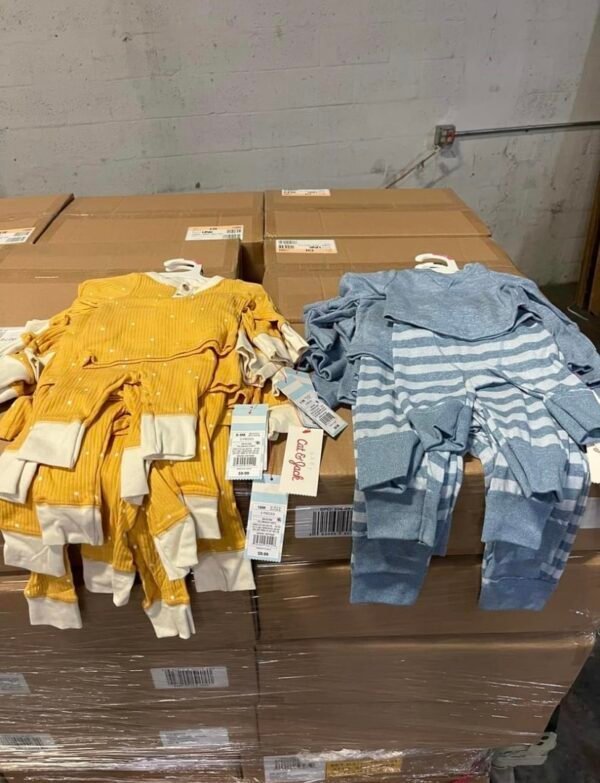
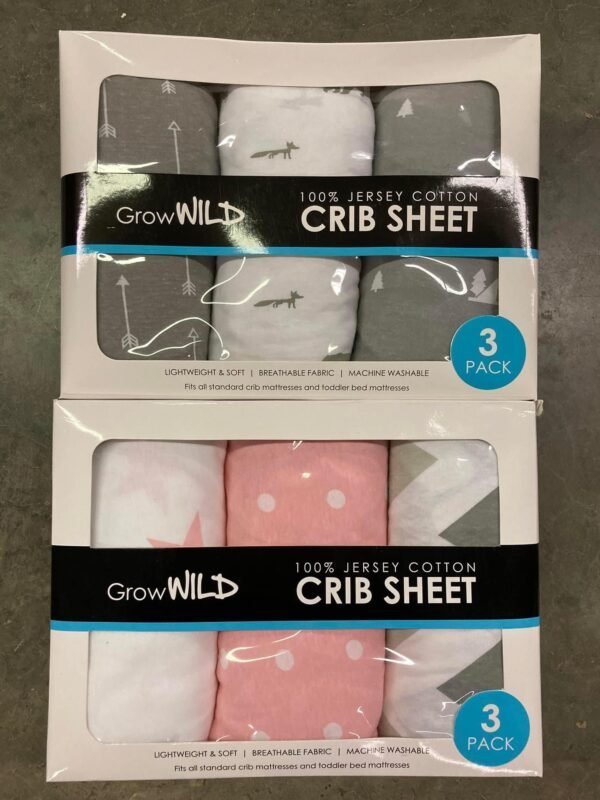
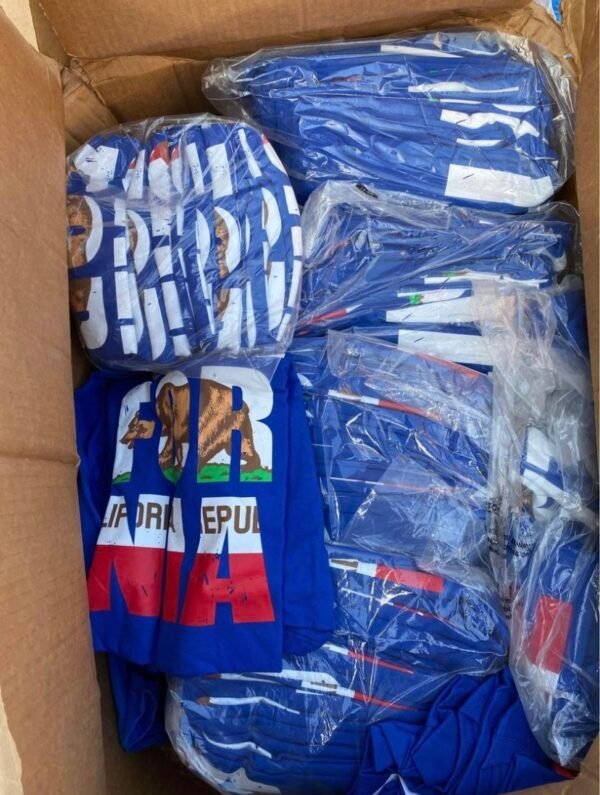
Browse all 130+ pallets and truckloads in the shop →
Frequently asked questions
How many pieces come in a wholesale clothing pallet?
Most apparel pallets hold 200 to 600 pieces depending on garment weight and how the load was packed. Winter coats stack far fewer units than t-shirts. Shoe pallets are counted in pairs, commonly 80 to 150. Piece count or manifest details appear on each product listing when available.
What condition is liquidation clothing in?
It depends on the load type. Shelf pulls and overstock are unworn store stock, often with tags. Customer returns are mixed: many pieces are unworn size exchanges, while some show wear or flaws. A common planning figure is 80 to 90 percent sellable pieces in a returns load, though every pallet varies.
Can I get name-brand shoes like Nike or Jordan in a pallet?
Our mixed shoes pallets are built as Nike, Jordan, and Yeezy style lots sourced from big-box return channels, so athletic name brands are the core of those loads. We are an independent liquidator, not affiliated with any footwear brand, and exact models and sizes vary pallet to pallet.
Is clothing a good first liquidation category for beginners?
Many first-time buyers start with apparel because entry prices are low, items cannot break in transit, and grading takes seconds per piece. The tradeoff is sorting volume: hundreds of pieces take real hours. If you have more time than capital, clothing pallets are one of the gentlest ways in.
How is a clothing pallet shipped to me?
Loads ship shrink-wrapped on the pallet by LTL freight from our Houston, TX warehouse to all lower 48 states. Residential deliveries can add liftgate service. Local buyers can skip freight and pick up by appointment. Full details are on our shipping policy page, or call us before ordering.
Turn $2 Pieces Into Real Margin
Hundreds of sellable pieces per pallet, honest condition labeling, and nationwide freight from Texas. Pick your apparel or shoe load and start sorting this week.
Shop Clothing PalletsQuestions? Call +1 (254) 629-7936 or email info@palletsdepotsusa.com